


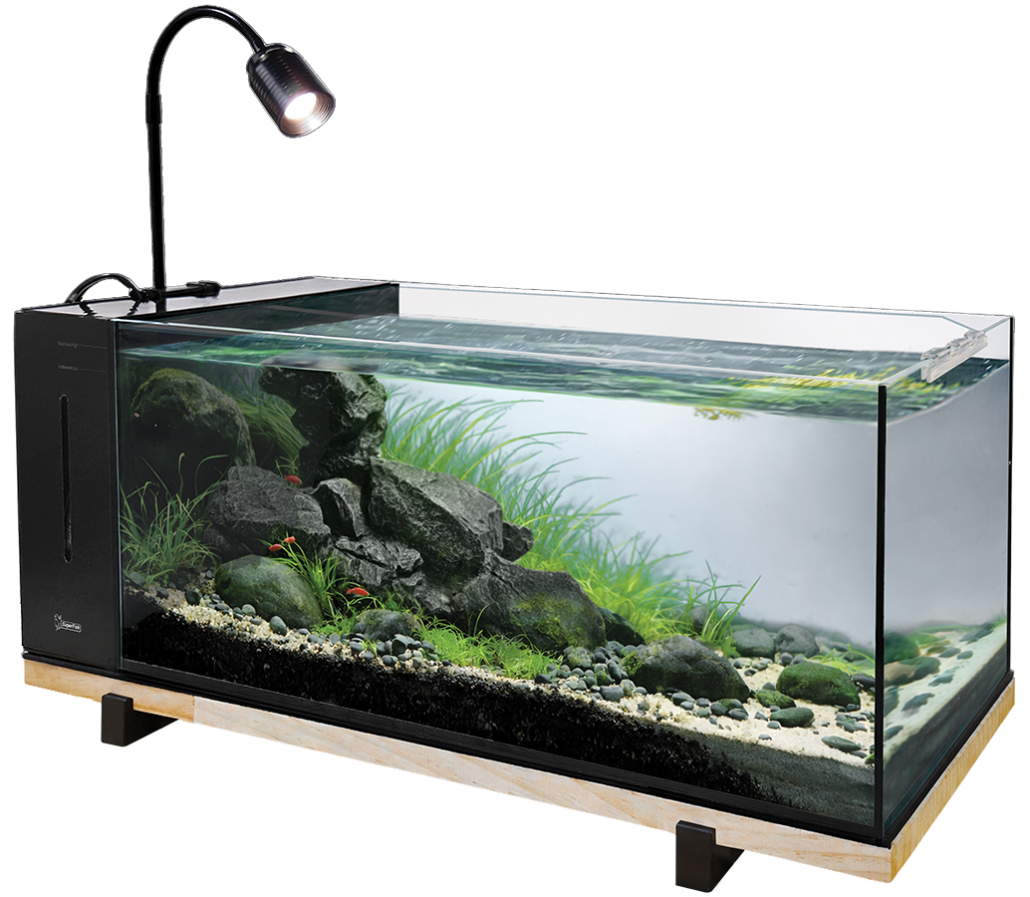
River Aqua 60
User manual
Setting up your aquarium:
Choose an appropriate location for the aquarium. The location should be relatively dark, for example in the corner of a room. The aquarium should not be exposed to direct sunlight. Too much light will lead to unwanted algae and may harm the fish and plants in the aquarium as a result of overheating.
Step 1
Screw the black or orange supports (as desired) under the wooden base using the screws supplied.
Always place the supplied underlayer (EVA foam) between the aquarium and the wooden base.
Place the aquarium, together with its base, on a smooth, horizontal surface with an adequate load-bearing capacity. Do not place the aquarium on electrical appliances or on furniture with surfaces which are liable to staining by water.
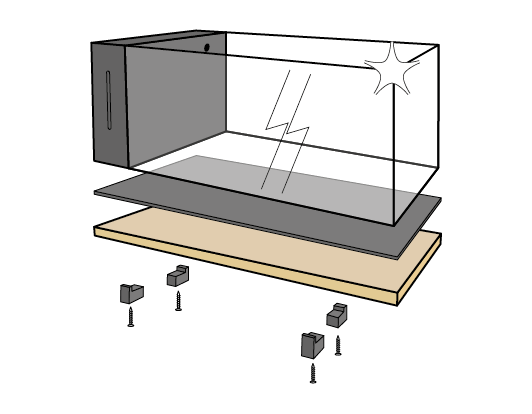
Step 1
Screw the black or orange supports (as desired) under the wooden base using the screws supplied.
Always place the supplied underlayer (EVA foam) between the aquarium and the wooden base.
Place the aquarium, together with its base, on a smooth, horizontal surface with an adequate load-bearing capacity. Do not place the aquarium on electrical appliances or on furniture with surfaces which are liable to staining by water.
Step 2
Clean the aquarium, the pump and accessories thoroughly with tap water. Never use cleaning products or alcohol.
Place the Aqua-Power pump in the rear section of the filter compartment and connect the spray nozzle to the pump using the hose. Always read the Aqua-Power user manual first!
Cover the pump’s filter section with the filter foam (with the cut-out for the hose).
Rinse the filter media (foam and bioballs) with tap water and place the red tray containing the filter media in the middle section.
For tropical fish and tropical shrimp you need to use an aquarium heater. We recommend a SuperFish Eco Heater 50 W. The heater can be placed in the (narrow) front section. First carefully read the heater manual before usage!
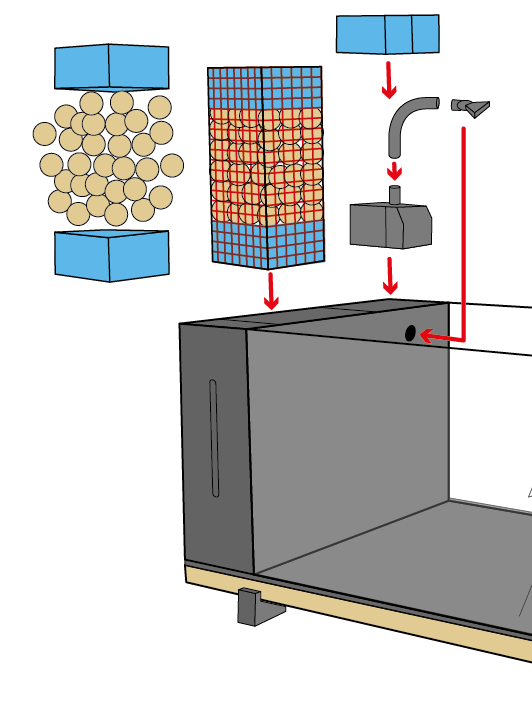
Step 2
Clean the aquarium, the pump and accessories thoroughly with tap water. Never use cleaning products or alcohol.
Place the Aqua-Power pump in the rear section of the filter compartment and connect the spray nozzle to the pump using the hose. Always read the Aqua-Power user manual first!
Cover the pump’s filter section with the filter foam (with the cut-out for the hose).
Rinse the filter media (foam and bioballs) with tap water and place the red tray containing the filter media in the middle section.
For tropical fish and tropical shrimp you need to use an aquarium heater. We recommend a SuperFish Eco Heater 50 W. The heater can be placed in the (narrow) front section. First carefully read the heater manual before usage!
Step 3
Rinse the aquarium gravel thoroughly in a really clean bucket.
Cover the base with the clean aquarium gravel of your choice.
For a planted aquarium, first add a nutrient substrate and cover this with gravel.
When placing heavy rocks into the aquarium, they must have support, like foam eg, otherwise the rocks could cause breakage of the aquarium (no warranty coverage).
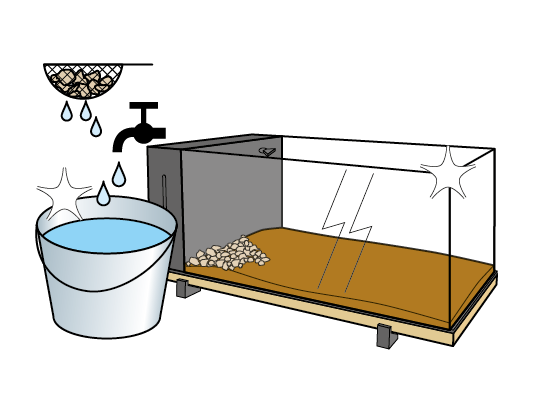
Step 3
Rinse the aquarium gravel thoroughly in a really clean bucket.
Cover the base with the clean aquarium gravel of your choice.
For a planted aquarium, first add a nutrient substrate and cover this with gravel.
When placing heavy rocks into the aquarium, they must have support, like foam eg, otherwise the rocks could cause breakage of the aquarium (no warranty coverage).
Step 4
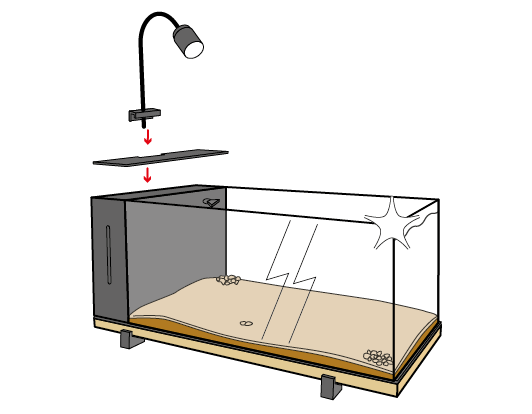
Install the River LED Spot on the edge of the filter compartment.
There is a recess in the compartment lid for the clamp.
The spotlight has a flexible arm and is height-adjustable so that it can be positioned as desired.
Always read the River LED Spot user manual first!
Step 4
Install the River LED Spot on the edge of the filter compartment.
There is a recess in the compartment lid for the clamp.
The spotlight has a flexible arm and is height-adjustable so that it can be positioned as desired.
Always read the River LED Spot user manual first!
Step 5
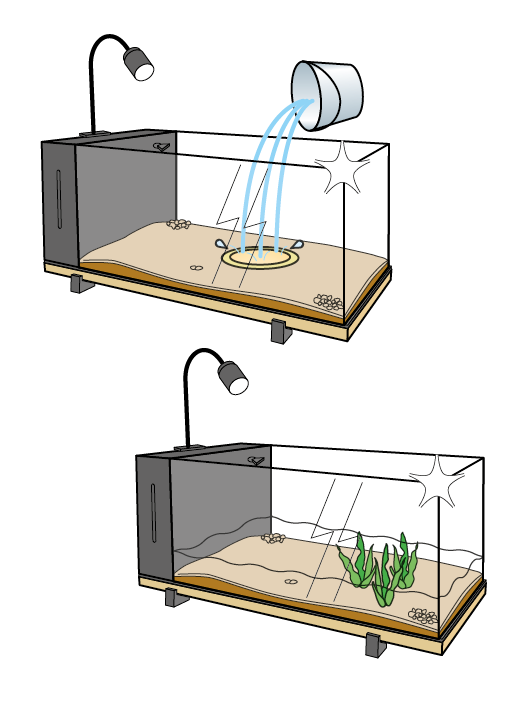
Fill the aquarium slowly with clean tap water of around 20°C.
Place a plate or glass beneath the water stream to prevent dislodging of the gravel or nutrient substrate. Add water until the aquarium is half full, place the plants in the aquarium, and then finish filling the aquarium.
Some of the plants should be fast-growing stem plants, these will help to prevent the growth of algae.
Step 5
Fill the aquarium slowly with clean tap water of around 20°C.
Place a plate or glass beneath the water stream to prevent dislodging of the gravel or nutrient substrate. Add water until the aquarium is half full, place the plants in the aquarium, and then finish filling the aquarium.
Some of the plants should be fast-growing stem plants, these will help to prevent the growth of algae.
Step 6
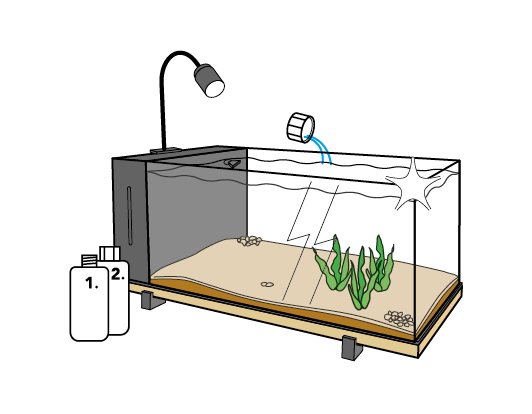
After filling the aquarium and with every water change always add water conditioner to remove toxic substances and protect your fish and/or shrimp. Add bacterial culture as well to help your biological filter to start and maintain water quality.
Step 6
After filling the aquarium and with every water change always add water conditioner to remove toxic substances and protect your fish and/or shrimp. Add bacterial culture as well to help your biological filter to start and maintain water quality.
Step 7
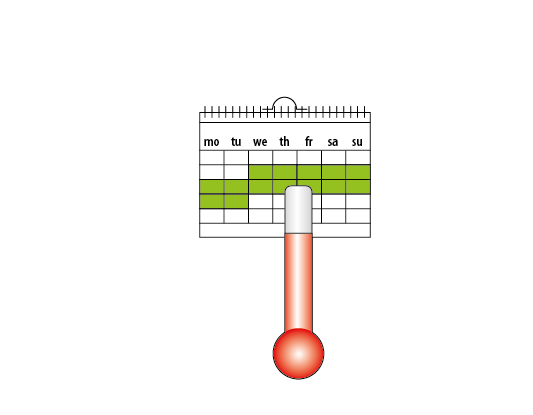
Before putting any fish or shrimp in the aquarium, allow it to run for at least two weeks and ensure that the temperature is correct (check the water temperature with an aquarium thermometer).
Make sure that whenever you add fresh water it is of the correct temperature, big temperature changes will make your inhabitants ill.
- 24-26°C: Tropical Fish
- 18-20°C: Koudwatervissen
Step 7
Before putting any fish or shrimp in the aquarium, allow it to run for at least two weeks and ensure that the temperature is correct (check the water temperature with an aquarium thermometer).
Make sure that whenever you add fresh water it is of the correct temperature, big temperature changes will make your inhabitants ill.
- 24-26°C: Tropical Fish
- 18-20°C: Koudwatervissen
Step 8
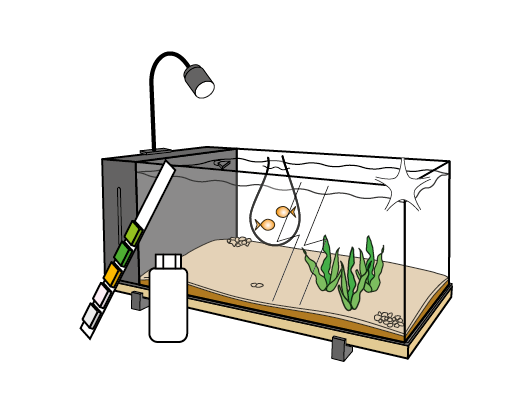
Test aquarium water and adjust the water parameters as necessary before buying your fish, shrimp and plants. You can also ask your dealer to do this.
After placing fish and/or shrimp in the aquarium, test the water every 2 days for 2 weeks and adjust any incorrect water parameters.
Afterwards test the water quality once a week!
Step 8
Test aquarium water and adjust the water parameters as necessary before buying your fish, shrimp and plants. You can also ask your dealer to do this.
After placing fish and/or shrimp in the aquarium, test the water every 2 days for 2 weeks and adjust any incorrect water parameters.
Afterwards test the water quality once a week!
Step 9
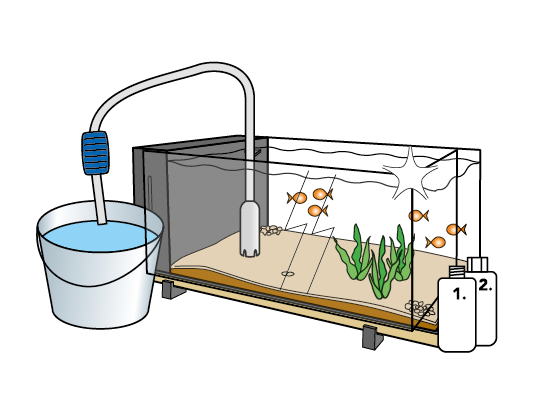
Change 20% of the aquarium water weekly while cleaning the gravel and walls of the aquarium, make sure the fresh water is of the same temperature as the water in your aquarium!
Add water preparation and live bacteria with every water change.
Step 9
Change 20% of the aquarium water weekly while cleaning the gravel and walls of the aquarium, make sure the fresh water is of the same temperature as the water in your aquarium!
Add water preparation and live bacteria with every water change.
Step 10
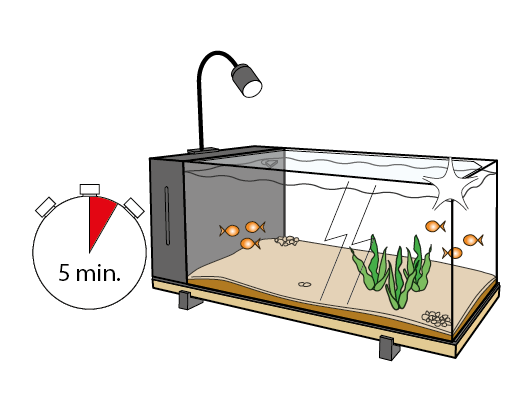
Feeding is an important thing to keep your fish and shrimp healthy, however when you feed too much your water quality will get bad and your fish and/or shrimp get sick or die.
Feed once a day as little as the inhabitants will eat in 5 minutes.
This is why we recommend Hikari, specialist fish food that promotes healthy fish and good water quality.
Step 10
Feeding is an important thing to keep your fish and shrimp healthy, however when you feed too much your water quality will get bad and your fish and/or shrimp get sick or die.
Feed once a day as little as the inhabitants will eat in 5 minutes.
This is why we recommend Hikari, specialist fish food that promotes healthy fish and good water quality.